
Sourcing slow-pitch jigging (SPJ) assist hooks, Sabiki bait rigs, and ultra-light Ajing/Mebaring micro jig heads for Japan, Southeast Asia, Australia, and JDM-inspired Western brands requires understanding two fundamentals that routinely trip up Western buyers: parabolic slow-pitch penetration physics and the inverse Japanese sizing scale—where larger numbers (Size #1 to #20+) denote larger hooks, exact millimeter gape differences separate Iseama, Chinu, and Maruseigo profiles, and tiny wire-diameter tolerances make or break lure fluttering action.
Unlike high-speed jigging with stiff rods and heavy drag, slow-pitch jigging catches fish on slack or semi-slack line during the jig's fluttering fall using a soft parabolic rod. Overly thick assist hooks bounce off bony jaws under light rod bend; conversely, ultra-thin SPJ hooks straighten instantly if matched with PE 4+ line and locked-down drag over sharp coral reefs.
Section 01Japanese Hook Sizes (#1–#14): Iseama vs. Chinu vs. Maruseigo Millimeter Chart
Traditional Japanese hook patterns serve distinct mechanical roles: Iseama (short shank, heavy build, wide gape—standard for general SPJ assist rigs), Chinu (inward beak point, wide angular bend—locks into jaw corners), and Maruseigo (long slender shank, narrower profile—ideal for elongated baits and light jigs). Use this metric baseline to translate nominal Japanese numbers into real millimeters:
| Japanese Size | Iseama (Approx. Gape / Wire) | Chinu (Approx. Gape / Wire) | Maruseigo (Approx. Gape / Wire) |
|---|---|---|---|
| JP Size 2 / 4 | #2: ~6.5 / 0.75 mm #4: ~7.8 / 0.85 mm | #2: ~7.0 / 0.70 mm #4: ~8.2 / 0.80 mm | #2: ~5.0 / 0.60 mm #4: ~6.0 / 0.70 mm |
| JP Size 6 / 8 | #6: ~9.2 / 0.95 mm #8: ~10.8 / 1.05 mm | #6: ~9.8 / 0.90 mm #8: ~11.3 / 1.00 mm | #6: ~7.0 / 0.80 mm #8: ~8.2 / 0.90 mm |
| JP Size 10 / 12 | #10: ~12.3 / 1.20 mm #12: ~14.0 / 1.30 mm | #10: ~13.0 / 1.10 mm #12: ~14.5 / 1.20 mm | #10: ~9.5 / 1.00 mm #12: ~11.0 / 1.10 mm |
| JP Size 13–14+ | ~15.5+ mm / 1.40+ mm | ~16.0+ mm / 1.30+ mm | ~12.0+ mm / 1.20+ mm |
Wire-Gauge Engineering Trade-Offs in Japanese Slow-Pitch Jigging (SPJ)
Why light-wire assist hooks (Vanfook/Decoy) maximize hang-time hookups on parabolic rods while heavy-wire hooks (BKK SF Lentus/Shout Daisen) stop reef monsters.
Section 02SPJ Assist Benchmarks, Sabiki JP-to-US Conversion & Ajing Micro-Jig Specs
Across leading JDM assist specialists (Vanfook, Decoy, Shout, BKK) and Sabiki/Ajing brands (Hayabusa, Sasame, Magbite, Cultiva), buyers split hook specifications cleanly by line weight and target species:
| JDM Category | Benchmark Models / Scale | Wire, Coating & Point Spec | Western Size Cross-Reference |
|---|---|---|---|
| Thin-Wire SPJ Assist | Vanfook Jigen / Spinnbull, Decoy Twin Pike, Shout Light Game | Light high-carbon wire; ultra-sharp chemical taper preserves jig flutter | Matched to PE 1–2.5 parabolic rods & IGFA single assist rules |
| Heavy-Wire SPJ Assist | BKK SF Lentus, Vanfook Jigen Heavy, Shout Daisen | Heavy forged shank; stops grouper, amberjack & dogtooth tuna over reefs | Matched to PE 3–5+ heavy braid & high-drag fighting |
| Sabiki Bait Rigs | Hayabusa / Sasame (JP #3 up to #18+) | Larger JP # scales hook size + branch/main line strength together | JP #3–4 ≈ US #16–12; #6–8 ≈ #10–6; #10–12 ≈ #4–1/0; #14–18+ ≈ 2/0–5/0+ |
| Ajing & Mebaring | JP #10–#14 (#12/#14 core finesse) | Ultra-fine high-carbon + Fluorine/PTFE coat + micro-barb | Built for UL ester/PE lines so light ticks set without tearing soft baits |
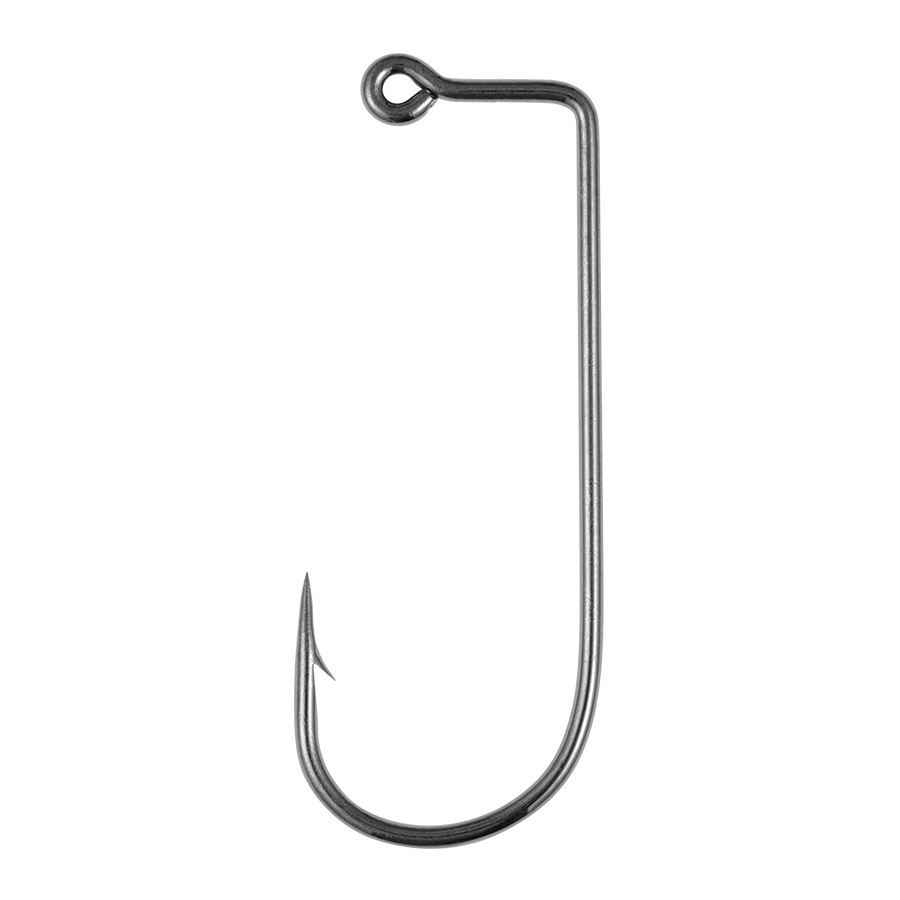
KONA Fine-Wire Jig & Ajing Platform
Precision chemically sharpened high-carbon jig hooks customizable with fluorine/PTFE coatings and micro-barbs.
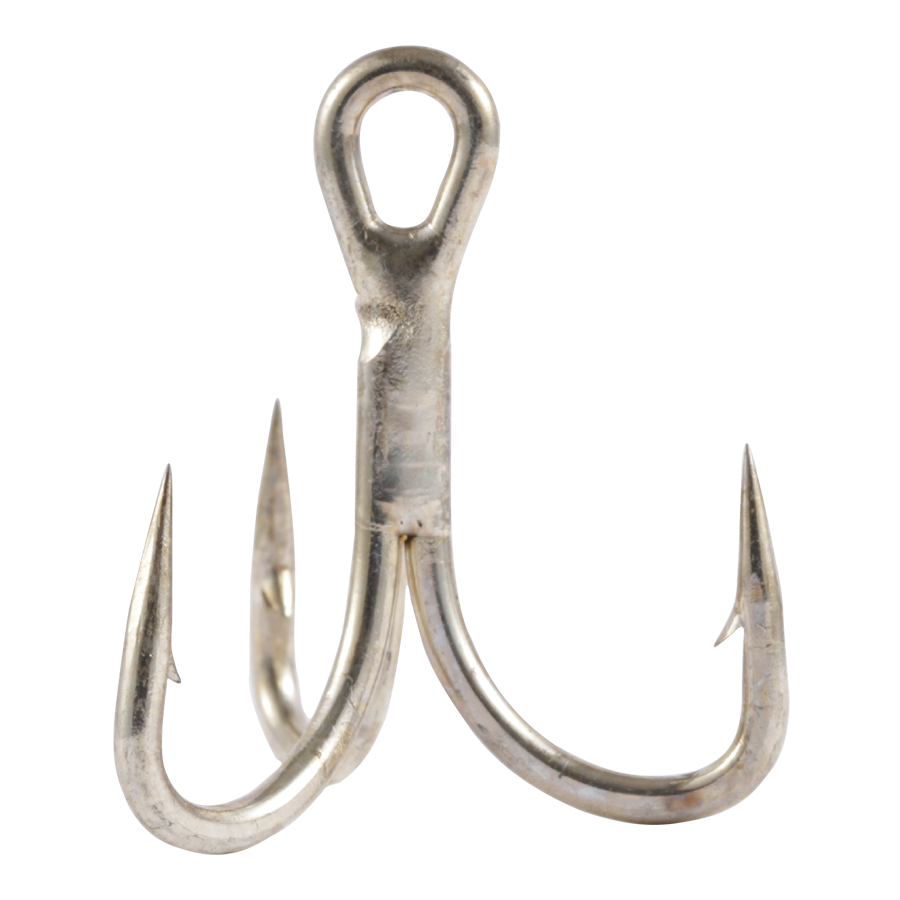
KONA Heavy Forged Saltwater & Assist Series
Heavy-duty Tin and anti-rust saltwater forged hooks for Sabiki, offshore assist rigs, and big-game jigs.
Section 034-Step JDM & Assist Hook OEM Sourcing SOP
Buyer Q&AFrequently Asked Questions for OEM & Wholesale Buyers
How do Japanese hook sizes (Iseama, Chinu, Maruseigo) differ from US hook sizes?
Unlike Western scales where larger numbers (#12 vs #2) mean smaller hooks up to Size 1, Japanese hook sizes scale upward directly: a JP #10 or #14 is physically larger in millimeter gape and wire diameter than a JP #2 or #4.
When should slow-pitch jigging anglers choose thin-wire vs. thick-wire assist hooks?
Use thin-wire SPJ hooks (like Vanfook Spinnbull or Shout Light Game styles) on PE 1–2.5 parabolic setups to maximize flutter and effortless penetration on slack-line bites; step up to thick-wire forged assist hooks (like BKK SF Lentus styles) when fishing PE 3–5+ locked drag near reefs.
What US hook sizes correspond to Hayabusa or Sasame Sabiki rig numbers?
Rough conversions align JP #3–#4 with US #16–#12, JP #6–#8 with US #10–#6, JP #10–#12 with US #4–1/0, and heavy JP #14–#18+ with US 2/0–5/0+.
Why do Japanese Ajing and Mebaring micro jig heads use fluorine/PTFE coatings and micro-barbs?
Ajing rods are ultra-light and paired with delicate ester or light PE lines. Slick fluorine/PTFE coatings lower piercing resistance on tiny sucking bites, while micro-barbs secure soft baits without tearing fish lips.
Can KONA manufacture custom Iseama, Chinu, Sabiki, and Ajing hooks in Japanese sizes?
Yes. KONA's Jiangxi factory produces Iseama, Chinu, Maruseigo, Sabiki bait hooks, SPJ assist hooks, and ultra-fine Ajing jig hooks to exact millimeter wire and gape drawings.
Technical Standards & Peer-Reviewed References
- Vanfook / Decoy / Shout / BKK Public Slow-Pitch Jigging Assist Hook Engineering Specifications (Thin vs. Heavy Wire).
- Hayabusa & Sasame Official Sabiki Sizing & Line-Weight Correlation Charts.
- Magbite & Owner Cultiva JDM Ajing / Mebaring Fine-Wire Fluorine-Coated Micro-Jig Specifications.
- IGFA International Angling Rules: Assist Hook Maximum Length & Single-Hook Mandate.
Sourcing OEM Fishing Hooks for Your Brand?
Direct Nanchang factory (200+ specialists, in-house heat treatment & plating). Free stock samples & custom tooling quotes in 24h.