Some water just doesn’t fish well with normal lures. Lily pad fields, matted moss, duckweed carpets, flooded grass — throw a crankbait or spinnerbait in there and you’ll be picking weeds off your hook every third cast. A double hook frog, sometimes called a hollow-body frog or weedless frog, is one of the few lures built to actually work that kind of cover. The trick is in the hook: a twin-point hook that sits tucked against the lure’s soft body instead of hanging out in the open.
This piece walks through how that hook is put together, the different types you’ll run into, how to pick one for your fishing, and how to actually use it once it’s on your line.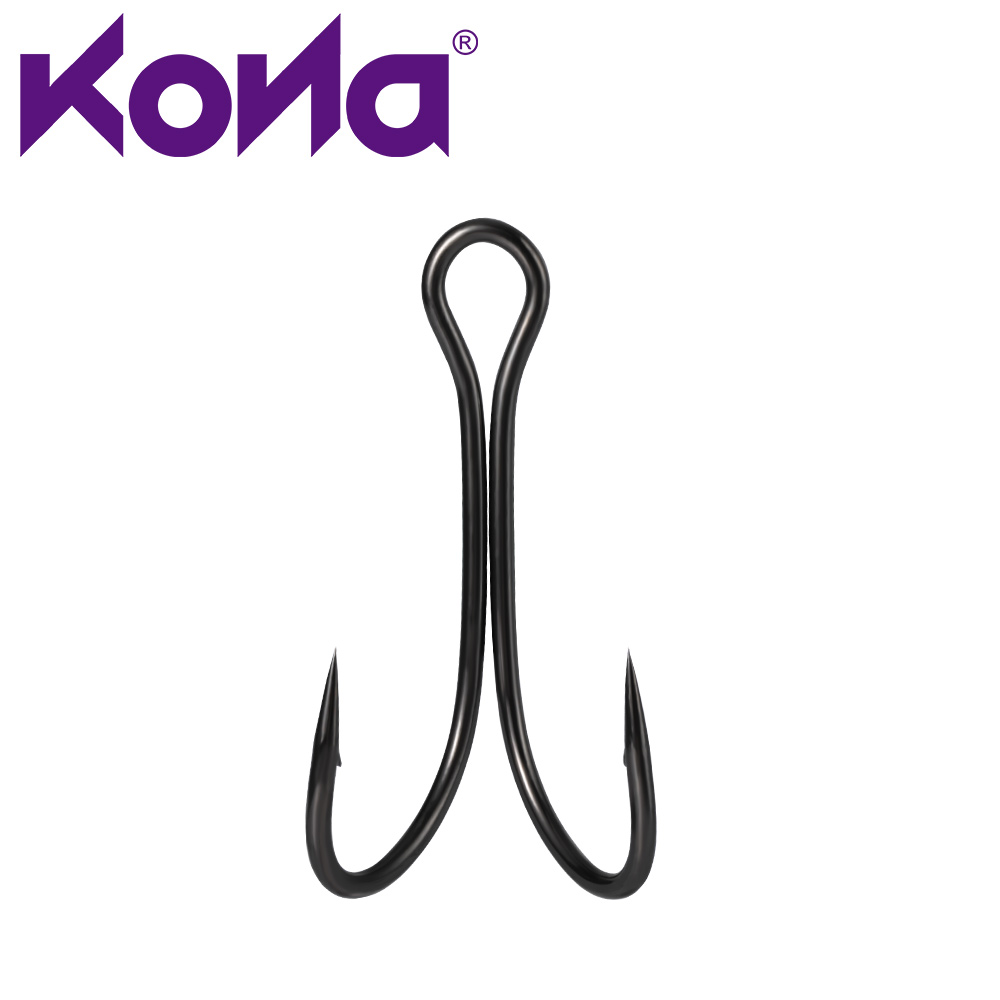
What Makes It a “Double Hook” Frog
The name comes from the hook itself. Instead of one point or three (a treble), you’ve got two parallel shanks joined at a single eye, with both points curving back and up so they lie flat against the frog’s back when nothing’s happening. A single hook or treble frog exists, but the double is the standard for a reason — it keeps the lure balanced side to side, which matters a lot when you’re trying to make it walk straight, and it gives you two chances at a solid hookup instead of one.
Bass anglers have been fishing frogs like this for decades in heavy cover. More recently it’s become the default lure for snakehead fishing across a lot of Southeast Asia, since snakehead pretty much live in the exact kind of thick, matted vegetation this lure was built for.
The Parts of a Frog Hook
- Body. Hollow, soft plastic or rubber that’s meant to give under bite pressure. Usually a tapered nose, and a slit or open belly so air escapes when a fish clamps down.
- Legs. Trailing rubber legs that add kick and give fish something to key in on behind the body.
- Harness. The wire or loop that holds the hook inside the body and ties into the line eye at the nose.
- Shank. The straight part of each hook arm, running from the eye down to the bend.
- Bend and point. Self-explanatory, but worth saying the point quality varies a lot — a hollow-ground or chemically sharpened point holds its edge and needs less force to set.
- Gap. The space between point and shank. Has to be wide enough to punch through the frog’s own body plus the fish’s mouth, or you’ll get bit after bite that never connects.
- Barb. Keeps a hooked fish on once you’ve got it. Plenty of anglers pinch these down if they’re releasing fish a lot.
- Wire gauge. How thick the hook wire is — light, medium, or heavy. If you only pay attention to one spec when buying, make it this one.
- Coating. Black nickel, black chrome, that kind of thing. Mostly there to fight rust and cut down friction on the hookset.
Why It Stays Weed-Free
At rest, both points ride flush against the top of the frog, protected on either side by the body. When the lure crosses a pad or pushes through matted grass, the rounded plastic slides past the vegetation instead of a bare hook point catching on it.
The catch is that whatever makes the body soft enough to shield the hook also has to give way when a fish actually bites. A bass or snakehead clamps down, the body compresses, and that’s what frees the points to do their job. This is also why the hookset matters so much with frogs, and why gap and body width need to match — if the gap’s too tight for how wide the body is, the points might never fully clear the plastic even on a hard strike.
The Main Types You’ll Come Across
By hook setup, most frogs fall into three camps. The standard double hook is what you’ll find on the vast majority of frogs sold — two points, weedless, balanced. Some models go with a single, wide-gap hook instead, which sets easier (good for hard-mouthed fish) but gives up a little weedlessness since one point is slightly more prone to catching than a matched pair. And some setups add a small trailing treble off the back legs to pick up short strikers — it helps in open pockets of water but you’ll snag more in solid mats, so it’s not something to use everywhere.
Body style is its own set of choices. Walking frogs have slim, symmetrical bodies made for that classic side-to-side zigzag. Popping frogs have a cupped or concave face that pushes water and makes noise on a sharper retrieve, which helps in dirty water or when fish need a little extra to react to. There are also toad, rat, and mouse-shaped versions running the same weedless hook system in a different silhouette, useful if that’s what the fish in your water are keying on.
Then there’s gauge and size, which is really about matching the hook to what you’re fishing for. Light-to-medium gauge hooks on 5 to 6.5 cm bodies are the bass standard — easy to set with normal bass tackle. Heavy or extra-heavy gauge on bigger bodies, 7 cm and up, is built for snakehead and other fish with hard, bony mouths and enough power to straighten a lighter hook. The trade-off is you need a firmer, more deliberate hookset to drive the thicker wire home.
Picking the Right One
| Factor | What to look for |
|---|---|
| Target species | Bass — light-to-medium gauge works fine. Snakehead or anything similarly bony-mouthed and powerful — go heavy or extra-heavy, since lighter hooks tend to straighten or just won’t penetrate. |
| Cover density | Thick, solid mats — you want a higher-riding body and a tight hook-to-body fit for max weedlessness. Sparser cover or open pockets — a wider gap, or even a stinger treble, is fine since you’re not risking a snag every cast. |
| Hook gap vs. body width | Pinch the body between two fingers to see if the points expose themselves under light pressure. That’s roughly what a bite feels like from the hook’s perspective. |
| Rod and line | Heavier hooks need a stiffer rod and a firmer hookset to drive through plastic and jaw both. Don’t buy a heavier gauge than your tackle can actually set. |
| Water type | Brackish water, which is common in snakehead country, calls for a corrosion-resistant coating. Rinse the hook after every trip either way. |
| Color/pattern | Greens and browns blend in against clear water and vegetation. White, black, or brighter colors stand out against the sky better in low light or stained water. |
| Barbed vs. barbless | Barbed if you want extra security on long fights or tough-mouthed fish. Barbless or pinched if you’re releasing often and want a quick, clean unhook. |
Fishing One
Tackle. Frog fishing needs heavier gear than most topwater fishing, since your rod and line have to both set a hook through a soft body and bony mouth, and then drag the fish straight back out of the cover it just came from. A heavy or extra-heavy fast-action rod, a high-speed reel (7:1 or faster, so you can take up slack fast over matted stuff), and braided line — 50 to 65 lb for most bass fishing, up to 80 lb or more for snakehead in thick cover. Braid’s lack of stretch and abrasion resistance is what lets you actually move a fish through vegetation instead of getting buried in it.
Retrieve. Walking the dog — short twitches of the rod tip while reeling steady, making the frog zigzag — covers most situations. Popping works the same idea but with sharper, more downward twitches that make a cupped-face frog spit water, good for dirty water or aggressive fish. But the retrieve that actually catches fish in heavy mats is the pause: stopping over any hole, gap, or edge in the vegetation and just sitting there. A lot of strikes happen right when the frog looks like it’s given up.
The hookset. This is where most people lose fish. Because the points only clear the body once a fish actually bites down and compresses it, setting the hook the moment you see or hear a strike usually just yanks the frog away before the fish has closed its mouth. What works better is waiting a beat, feeling for actual weight on the line, then setting hard with the whole rod rather than a wrist flick. Some anglers call it counting to one before you swing. It feels wrong the first dozen times you try it — everything in you wants to set immediately — but it’s probably the single biggest thing separating anglers who connect from anglers who don’t.
Once it’s hooked. Get the fish heading for open water right away, before it wraps a pad stem or digs deeper into the mat. This is where heavy braid and a stiff rod earn their keep — you want to apply pressure immediately rather than let the fight drag out, because a fish with time to use the cover as leverage will usually find a way to throw the hook.
Keeping It Working
Check the points now and then — drag one lightly across a fingernail at an angle, and if it bites in without sliding, it’s still sharp. File it or swap the hook if it’s dull, bent, or rusted past saving. Rinse everything after a trip, especially if you’re fishing brackish water.
If your hookup ratio is bad, the body might just be too stiff for the hook gap you’re running — trimming the legs shorter, or cutting a small slit in the belly near the hook points, is a common fix that lets the points clear the plastic more easily. If the frog’s riding on its side instead of sitting upright, check for a bent hook or a waterlogged body — something’s thrown off the balance. And if a hook keeps straightening out on solid fish, that’s your gauge telling you it’s too light for what you’re actually catching.
Bottom Line
A double hook frog takes a bit more patience than most topwater lures — patience matching the hook to what you’re after, and patience waiting that extra second before you set. Once both click, it’s one of the only lures that’ll let you fish water most people just skip.
Post time: Aug-15-2026